
Social Search Is Changing How People Discover Brands
For years, Google was the first place people went when they wanted to find something online. Whether they were looking for a product, restaurant, review, tutorial, or business, search engines were the natural starting point. That behaviour is changing. Today, people are increasingly using social media platforms to search for information, discover products, compare options, and find recommendations. Platforms such as Instagram, TikTok, YouTube, Pinterest, and LinkedIn are becoming important parts of the modern search journey. For brands, this means social media is no longer just about posting content. It is becoming another place where customers actively look for answers. People Search Differently on Social Media Think about how people use social platforms today. Someone looking for a skincare routine might search TikTok for product recommendations. Someone planning a holiday may look for Instagram Reels about places to visit. A professional researching a marketing strategy might search LinkedIn for industry insights. Instead of typing a question into Google, users are increasingly looking for real experiences, opinions, demonstrations, and recommendations. This makes social search different from traditional search. People aren’t only looking for websites. They are looking for content that feels useful, relatable, and authentic. Discovery Is Becoming More Visual One of the biggest advantages social platforms have is visual content. A traditional search result might provide a link and a short description. Social platforms can show users a product being used, a destination being explored, a tutorial being demonstrated, or a customer sharing their experience. This makes discovery much more engaging. For businesses, it also creates an opportunity to demonstrate what they offer instead of simply describing it. A clothing brand can show how an outfit looks. A food brand can demonstrate a recipe. A digital marketing agency like Affilytix Media can share practical strategies, marketing insights, and industry trends that help businesses understand the changing digital landscape. The content itself becomes part of the search experience. Social Proof Influences Search Decisions Another reason social media is becoming an important search destination is trust. People often want to know what others think before making a decision. Reviews, comments, creator recommendations, testimonials, and user-generated content can influence whether someone chooses a product or brand. This is particularly important for newer brands. A customer may discover a brand through a search, visit its social profile, look through comments and reviews, and only then decide whether to visit the website. Social media therefore doesn’t just create awareness. It can help customers move from discovery to consideration. What This Means for Brands If customers are searching on social platforms, brands need to think beyond traditional SEO. Social content should also be created with discoverability in mind. This can include: The goal isn’t to fill every post with keywords. It is to create content that answers real questions and provides genuine value. At Affilytix Media, we believe content should be created with both the audience and the business objective in mind. When useful content meets the right audience at the right stage of their journey, social media can become more than an engagement channel. Social Search and Traditional SEO Can Work Together The rise of social search doesn’t mean traditional search is disappearing. Instead, customers are using multiple platforms throughout their journey. Someone might discover a brand on Instagram, search for reviews on YouTube, compare products on Google, and finally purchase through the company’s website. This means brands need to think about their digital presence as a connected ecosystem rather than treating every platform separately. Social media, SEO, content marketing, performance marketing, and affiliate marketing can all contribute to different stages of the customer journey. The Affilytix Media Perspective At Affilytix Media, we believe modern digital marketing starts with understanding how people actually discover and evaluate brands. Search behaviour is changing, and businesses need to change with it. Social media can no longer be viewed only as a platform for engagement. It is becoming an important discovery and search channel. The brands that understand this shift early can create content that is not only seen but also found when customers are actively looking for answers. Final Thoughts Search is no longer limited to a search bar. People are searching through videos, social posts, creators, reviews, communities, and recommendations. For brands, the opportunity is clear: Don’t just create content people scroll past. Create content people search for, discover, trust, and remember. The future of search is becoming more social, visual, and experience-driven. Businesses that adapt their content strategies accordingly can create more opportunities to reach customers and build lasting relationships. Affilytix Media focuses on helping brands navigate this changing digital landscape through practical, measurable, and performance-focused marketing strategies.
The New Marketing Stack: AI, Automation, Data and Human Strategy
Marketing teams today have more tools, more data, and more ways to reach customers than ever before. From AI-powered platforms to automated campaigns and advanced analytics, businesses have access to technologies that can make marketing faster and more efficient. But having more tools doesn’t automatically mean better marketing. The real advantage comes from knowing how to use the right tools together. The modern marketing stack is increasingly built around four key elements: AI, automation, data, and human strategy. Each has a different role, but when they work together, they can help businesses make smarter decisions, improve efficiency, and create better customer experiences. AI: Making Marketing Smarter Artificial intelligence has quickly become an important part of modern marketing. Businesses are using AI to generate content ideas, analyze customer behaviour, identify trends, personalize recommendations, and understand campaign performance. AI can process large amounts of information much faster than a human team, helping marketers identify patterns and opportunities that might otherwise be missed. However, AI should not replace strategic thinking. Its real value comes from helping marketers spend less time on repetitive analysis and more time understanding what the data means and what the business should do next. When used correctly, AI becomes a powerful support system that allows marketing teams to work smarter while keeping human creativity and decision-making at the centre. Automation: Doing More With Less Marketing involves many repetitive tasks, including email campaigns, reporting, audience segmentation, lead nurturing, scheduling, and customer follow-ups. Automation can take care of many of these processes without requiring constant manual effort. For example, a business can automatically send a follow-up email when someone downloads a resource, recommend products based on previous activity, or segment customers according to their interactions with a website. The purpose of automation isn’t to remove the human element from marketing. Instead, it gives teams more time to focus on strategy, creativity, customer relationships, and optimization. The goal is not to automate everything. It is to automate the right processes so marketers can concentrate on work that requires human judgment. Data: Turning Activity Into Insight Every marketing channel generates data. Website traffic, clicks, conversions, customer behaviour, campaign results, and purchase patterns can provide valuable insights into what customers want and how they interact with a brand. But collecting more data isn’t enough. The important question is whether businesses are using that data to make better decisions. A modern marketing team should be able to answer questions such as: When data is connected to clear business objectives, it becomes much more useful. Instead of simply tracking numbers, marketers can use those numbers to understand performance and identify areas for improvement. Human Strategy: The Part Technology Can’t Replace AI can analyze information. Automation can execute tasks. Data can reveal patterns. But technology still needs direction. Someone has to decide what a brand should stand for, who it should speak to, how it should position itself, and where it should compete. That is where human strategy becomes essential. Understanding customer emotions, developing creative ideas, creating meaningful positioning, making difficult decisions, and knowing when to change direction require human judgment. The strongest marketing teams aren’t choosing between technology and people. They are using technology to make people more effective. Bringing Everything Together The real power of the modern marketing stack comes from integration. Imagine a brand using customer data to identify a valuable audience. AI can then help analyze that audience’s behaviour and interests. Automation can deliver relevant messages at the right stage of the customer journey. The marketing team can then review the results, make strategic decisions, and improve the campaign. Each element supports the next. Data informs decisions. AI improves efficiency. Automation supports execution. Human strategy guides the direction. Instead of having multiple tools working independently, businesses can build a connected marketing system where every activity contributes to a larger objective. The Affilytix Media Approach At Affilytix Media, we believe technology should support marketing — not become the strategy itself. AI, automation, and data can help brands move faster, but meaningful growth still depends on having the right strategy behind them. Our approach focuses on connecting different areas of digital marketing with clear business objectives. Whether it is performance marketing, SEO, content, social media, or affiliate marketing, the goal is to create marketing systems that are measurable, adaptable, and focused on business outcomes. Final Thoughts The future of marketing won’t belong to businesses that simply use the most tools. It will belong to businesses that understand how to use the right tools together. AI can make marketing smarter. Automation can make it faster. Data can make it more informed. But human strategy gives all of it direction. The new marketing stack isn’t technology versus people. It’s technology + people working better together.
How We Helped a Brand Recover From Declining Online Sales
A drop in online sales can be frustrating, especially when a brand has already invested time and money into digital marketing. But declining sales do not always mean there is a problem with the product. Sometimes, the issue is deeper. The wrong audience may be seeing the ads, campaigns may be losing efficiency, customers may not be returning, or the marketing message may no longer be connecting with people. At Affilytix Media, we worked with a growing online brand that was experiencing a consistent decline in sales. Instead of immediately increasing the advertising budget, we focused on understanding why sales were falling in the first place. The Challenge The brand had previously experienced steady online sales, but performance had started to decline. Website traffic was still coming in, and advertising campaigns were active, but the number of purchases was not keeping pace with the traffic. This created an important question: Was the problem with traffic, conversion, or the overall customer journey? Rather than making assumptions, we started by looking at the available campaign and website data. We reviewed audience performance, advertising creatives, campaign structure, website behaviour, conversion rates, and customer acquisition costs. One thing became clear: simply spending more on ads would not solve the problem. Finding Where the Drop-Off Was Happening Our first focus was understanding where potential customers were leaving the journey. Some campaigns were generating clicks but not enough purchases. Certain audiences were becoming expensive to acquire, while some previously successful creatives were no longer delivering the same results. We also noticed that users who had already interacted with the brand were not being approached differently from completely new audiences. That meant the brand was missing an opportunity to re-engage people who were already familiar with its products. We decided to restructure the strategy around different stages of the customer journey. Reworking the Campaign Strategy Instead of running campaigns with a single objective, we created a clearer structure. New audiences were targeted with product-focused content designed to introduce the brand and communicate its key value proposition. For people who had already visited the website or interacted with the brand, we introduced more focused retargeting campaigns. Customers who had viewed products or added items to their cart received different messaging from first-time visitors. This helped make the communication more relevant to where each customer was in their buying journey. Refreshing the Creative Approach Another important part of the recovery was creative testing. Digital advertising can become less effective when audiences repeatedly see similar content. Rather than relying on a few creatives, we tested different formats, hooks, product angles, and messaging. Some creatives focused on product benefits, while others highlighted customer problems, use cases, social proof, or stronger reasons to purchase. The objective was not to create more content simply for the sake of it. We wanted to understand which messages actually influenced customer behaviour. The insights from these tests helped us gradually move more budget toward better-performing combinations. Improving the Customer Journey Advertising is only one part of the equation. If someone clicks an advertisement but struggles to understand the product, find important information, or complete the purchase, the campaign can still underperform. We therefore looked at the journey after the click as well. Product pages, calls-to-action, messaging consistency, and the overall buying experience were reviewed to identify potential friction points. The goal was to create a smoother connection between the advertisement and the actual shopping experience. The Recovery As the strategy was optimized, campaign performance became more consistent. Rather than chasing traffic alone, we began focusing on the quality of visitors, conversion behaviour, and the cost of acquiring customers. Retargeting helped bring previously interested users back into the purchasing journey, while creative testing helped identify stronger messages for new audiences. Most importantly, the brand moved away from reacting to declining sales with increased spending and started making decisions based on customer and campaign data. What We Learned A decline in sales is not always a reason to spend more. Sometimes, the better solution is to step back, understand what has changed, and rebuild the strategy around the customer. For this brand, the recovery came from combining data analysis, audience segmentation, creative testing, retargeting, and customer journey optimization. At Affilytix Media, we believe sustainable growth starts with understanding what is happening behind the numbers. Because when sales decline, the first question should not always be, “How much more should we spend?” It should be: “What is stopping customers from buying?” Once you find that answer, you can build a smarter strategy around it. Affilytix Media — Beyond traffic. Built for revenue.
Why Marketing Teams Need to Think Like Revenue Teams
Marketing has changed. It is no longer enough for a team to say, “We generated more traffic” or “Our campaign received thousands of impressions.” Businesses want to know what happened after that. Did those visitors become leads? Did the leads become customers? Did the campaign generate revenue? Was the investment worth it? This is why modern marketing teams need to start thinking more like revenue teams. At Affilytix Media, we believe marketing should go beyond visibility and activity. The real goal is to connect marketing efforts with outcomes that matter to the business. Marketing Is More Than Traffic Traffic is important, but it is only one part of the customer journey. A campaign can generate impressive website visits but still fail to produce meaningful results. Similarly, a social media post can receive thousands of views without contributing to business growth. A revenue-focused approach asks better questions: Who are we reaching? Are they the right audience? What happens after they engage? And how does that engagement contribute to revenue? This shift helps marketing teams focus on quality rather than simply quantity. Understanding the Full Customer Journey Revenue doesn’t usually come from one interaction. A customer may first discover a brand through social media, read a blog through Google, see a retargeting advertisement, visit the website again, and eventually make a purchase. Marketing teams need to understand this entire journey. Instead of looking at each channel separately, teams should consider how different activities work together to move customers from awareness to consideration and finally to conversion. This creates a more complete picture of marketing performance. Measure What Actually Matters Thinking like a revenue team also means changing the way success is measured. Metrics such as impressions, clicks, followers, and website traffic can provide useful information, but they shouldn’t be the final measure of success. Marketing teams should also pay attention to metrics such as: Conversion ratesCustomer acquisition costReturn on ad spendLead qualityRevenue generatedCustomer lifetime valueRetention and repeat purchases These metrics help connect marketing activity to actual business performance. Better Collaboration Between Marketing and Sales When marketing and sales operate separately, opportunities can easily be missed. Marketing may focus on generating leads while sales focuses on closing them, without having a shared understanding of what a good customer looks like. A revenue-focused approach brings both teams closer together. Marketing can use sales feedback to improve targeting and messaging, while sales can use marketing insights to better understand customer behaviour. The result is a more connected customer journey and fewer gaps between generating interest and generating revenue. Focus on Customers, Not Just Campaigns Revenue-focused marketing also encourages teams to think beyond individual campaigns. Instead of asking, “Did this campaign perform well?” teams can ask: “Did this campaign help us acquire valuable customers?” That difference matters. A campaign with a lower click-through rate might still be more valuable if it brings customers who purchase more often or stay with the brand longer. The objective is not always to maximize immediate numbers. It is to create sustainable business value. The Affilytix Media Approach At Affilytix Media, we believe marketing should be connected to business goals from the beginning. Whether it is performance marketing, SEO, social media, content, or affiliate marketing, every activity should have a clear purpose. That means understanding the audience, choosing the right channels, measuring meaningful outcomes, and continuously improving based on data. Because marketing shouldn’t operate in isolation from the business. Final Thoughts The future of marketing belongs to teams that understand both customers and numbers. Thinking like a revenue team doesn’t mean ignoring creativity or brand building. It means making sure those efforts contribute to something bigger: sustainable business growth. Don’t just generate attention. Generate outcomes. At Affilytix Media, we focus on building marketing strategies that go beyond traffic and are built for revenue.
Case Study: How We Scaled a D2C Brand Using Performance & Affiliate Marketing
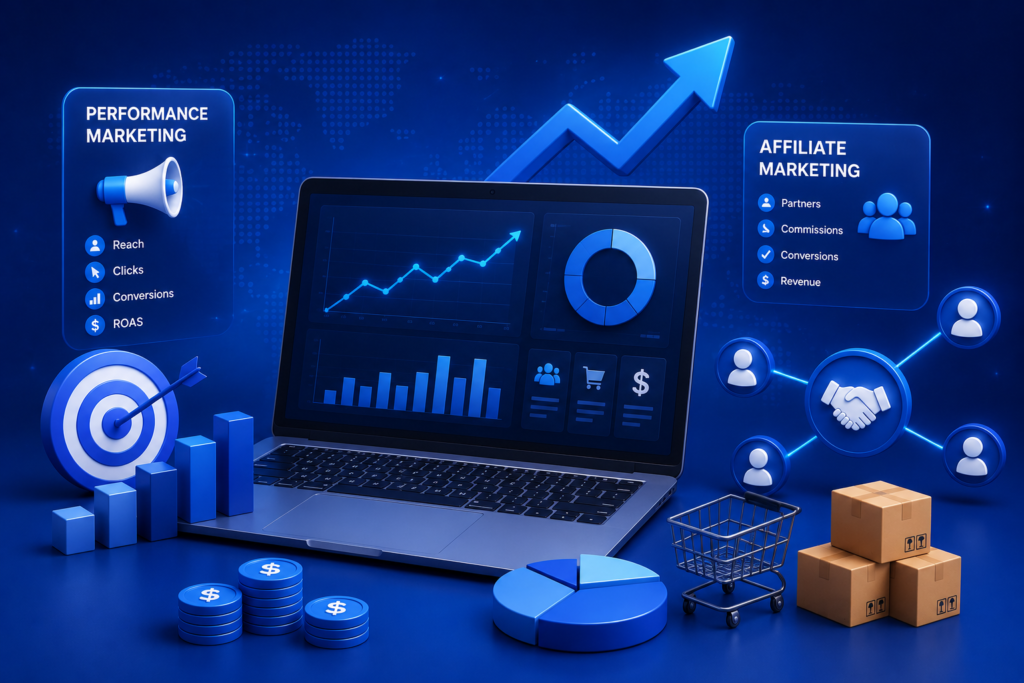
Scaling a D2C brand is not simply about spending more money on advertisements. As competition increases, brands need to find better ways to reach the right audience, build trust, and turn marketing efforts into measurable revenue. At Affilytix Media, we worked with a growing D2C brand that had a strong product but was looking for a more scalable way to acquire customers. The brand was already investing in digital marketing, but the next stage of growth required a strategy that combined performance marketing with affiliate partnerships. Our objective was clear: increase qualified traffic, improve conversions, and build a more sustainable customer acquisition engine. The Challenge The brand had good potential but faced several common D2C challenges. Paid advertising was generating traffic, but scaling campaigns efficiently was becoming difficult. Increasing budgets did not always result in proportional revenue growth. At the same time, the brand had limited reach beyond its existing paid advertising audiences. We identified that relying on a single acquisition channel could limit long-term growth. The brand needed a strategy that could combine paid performance with trusted third-party recommendations. That’s where affiliate marketing became an important part of the growth plan. Building the Performance Marketing Foundation Before scaling, we focused on understanding the existing customer journey. We analyzed campaign performance, audience behavior, creative performance, landing pages, and conversion patterns to identify where improvements could be made. Instead of treating every audience the same, we created different approaches for: New potential customersEngaged website visitorsProduct viewersCart abandonersExisting customers Creative testing was another important part of the strategy. Different messaging, formats, product benefits, and calls-to-action were tested to understand what resonated with different audiences. The goal was not simply to increase clicks. It was to improve the quality of traffic reaching the website and ultimately increase conversions. Adding Affiliate Marketing to the Growth Strategy Once the performance marketing foundation was in place, we introduced affiliate marketing as an additional acquisition channel. The idea was simple: instead of relying entirely on the brand’s own advertising, we could work with partners who already had relevant audiences. We identified and approached affiliates whose audiences aligned with the brand’s target customers. These included content creators, publishers, deal platforms, niche websites, and other relevant partners. The partnership model created a performance-driven opportunity where affiliates could earn commissions for generating valuable customer actions. This allowed the brand to expand its reach while keeping the focus on measurable outcomes. Creating a Connected Strategy The biggest opportunity came from connecting performance marketing and affiliate marketing instead of treating them as separate activities. Insights from paid campaigns helped us understand which products, offers, and messaging were performing well. Those insights could then inform affiliate campaigns and partner communication. At the same time, affiliate traffic provided another source of customer and audience insights that could contribute to broader marketing decisions. This created a more connected acquisition ecosystem. Optimizing for Quality, Not Just Volume One of the most important lessons from the campaign was that more traffic does not automatically mean more growth. We focused on metrics that mattered to the business, including: Conversion rateCustomer acquisition costReturn on ad spendRevenue generatedAffiliate performanceRepeat purchase potential Underperforming campaigns and partnerships were continuously reviewed, while stronger-performing audiences and partners received greater attention. This allowed the strategy to become more efficient over time rather than simply increasing marketing spend. The Impact By combining performance marketing with affiliate marketing, the brand was able to create multiple paths to customer acquisition. Paid campaigns helped the brand reach and retarget potential customers at scale, while affiliate partnerships opened access to new audiences through trusted third-party channels. More importantly, the brand moved toward a marketing model where growth was driven by data, partnerships, testing, and measurable performance rather than simply increasing advertising budgets. What This Case Study Taught Us D2C growth rarely comes from one channel working in isolation. Performance marketing can provide scale and control, while affiliate marketing can introduce new audiences and performance-based partnerships. When the two are strategically connected, they can create a stronger and more flexible customer acquisition system. At Affilytix Media, our approach is to look beyond individual campaigns and understand how different channels can work together to drive sustainable business growth. Because the goal isn’t just more traffic. It’s better traffic, stronger conversions, and revenue that can scale. Affilytix Media — Beyond traffic. Built for revenue.
The Role of Influencers in Modern Affiliate Marketing
Influencer marketing and affiliate marketing were once treated as two separate strategies. Influencers were mainly used to create awareness, while affiliate marketing focused on driving measurable sales. Today, the two are increasingly coming together. Influencers have built something traditional advertising often struggles to create: trust and familiarity with an audience. When that trust is combined with affiliate marketing, brands can turn recommendations into measurable business results. For businesses, this means influencer partnerships are no longer just about getting views or likes. They can become a performance-driven part of the customer acquisition strategy. Why Influencers Matter in Affiliate Marketing People are naturally more likely to pay attention to recommendations from creators they already follow and trust. An influencer may introduce a product through a review, tutorial, social media post, video, or personal experience. Instead of simply saying, “Buy this product,” the creator can show how the product fits into their everyday life. That makes the promotion feel more natural. Affiliate marketing adds another important layer: measurement. Influencers can use unique affiliate links, discount codes, or tracked landing pages, allowing brands to understand which partnerships are actually generating results. This creates a connection between influence and revenue. From Reach to Results One of the biggest advantages of combining influencer and affiliate marketing is that brands can move beyond vanity metrics. A campaign may generate thousands of views, but views alone don’t tell a business whether customers are interested enough to take action. With affiliate tracking, brands can look at metrics such as: This helps brands identify which creators are not just reaching people, but actually influencing purchasing decisions. At Affilytix Media, this performance-focused approach is important because effective digital marketing should connect audience engagement with measurable business outcomes. Micro-Influencers Are Changing the Game Influencer marketing is no longer only about celebrities or creators with millions of followers. Micro-influencers with smaller, highly engaged communities can often be valuable affiliate partners. Their audiences may be more focused around specific interests such as fitness, beauty, fashion, technology, food, or personal finance. For example, a fitness creator with 30,000 highly engaged followers may generate better results for a nutrition brand than a celebrity with millions of followers but little connection to the category. The key is not simply how many people follow an influencer. It is whether the audience is relevant, engaged, and likely to trust the recommendation. Authenticity Still Matters Affiliate marketing can lose its effectiveness when every piece of content feels like an advertisement. Consumers have become better at recognising promotional content. Influencers therefore need to maintain their own voice and only promote products that genuinely fit their audience. A creator explaining how they use a product, sharing an honest experience, or comparing different options can feel far more credible than a scripted sales pitch. For brands, giving influencers creative freedom can help make affiliate content more authentic while still keeping important brand messaging consistent. Choosing the Right Influencer Partners The right influencer isn’t necessarily the one with the biggest following. Brands should consider: Audience relevance: Does their audience match the target customer? Engagement quality: Are followers genuinely interacting with the content? Content quality: Can the creator communicate the product effectively? Trust: Does the creator have credibility within their niche? Performance history: Have previous partnerships generated meaningful results? At Affilytix Media, influencer and affiliate strategies can be approached with this broader performance perspective—looking beyond visibility to understand how partnerships contribute to growth. The Future of Influencer Affiliate Marketing As digital advertising becomes increasingly competitive, brands will continue looking for ways to combine trust, creativity, and measurable performance. Influencer affiliate marketing offers exactly that combination. Creators provide the connection.Content provides the context.Affiliate tracking provides the measurement. Together, they can turn a simple recommendation into a measurable customer journey. The future isn’t about choosing between influencer marketing and affiliate marketing. It’s about bringing the strengths of both together to create partnerships that benefit the brand, the creator, and the customer. Affilytix Media believes the strongest marketing strategies go beyond generating traffic—they focus on building partnerships and experiences that ultimately contribute to revenue.
Case Study: Turning Organic Traffic Into Business Growth Through SEO
For many businesses, getting website traffic is only the beginning. The real challenge is attracting the right audience and turning that traffic into meaningful business opportunities. At Affilytix Media, we worked on an SEO-focused growth strategy designed to improve a brand’s organic visibility, attract more relevant visitors, and create a stronger path from search to conversion. The Challenge The brand had a functional website and a good product offering, but its organic visibility was limited. The website was receiving some search traffic, but it wasn’t consistently reaching users who were actively looking for its products or services. Some of the key challenges included: The goal wasn’t simply to increase the number of visitors. It was to build qualified organic traffic that could contribute to sustainable growth. Our SEO Strategy At Affilytix Media, we approached the challenge with a combination of technical SEO, keyword research, content optimization, and ongoing performance analysis. 1. Understanding Search Intent We started by identifying what potential customers were actually searching for and why. Instead of focusing only on high-volume keywords, we looked for relevant search terms across different stages of the customer journey. This helped us identify opportunities for informational, commercial, and product-focused searches. 2. Improving On-Page SEO We optimized important website elements including: The objective was to make each important page more useful for both search engines and users. 3. Building a Content Strategy Content became an important part of the organic growth strategy. We focused on creating useful, relevant content around topics connected to the brand’s audience and offerings. Rather than publishing content simply to increase volume, every topic was selected with a clear search purpose. This helped the brand target a broader range of relevant searches while establishing greater topical authority. 4. Strengthening Technical SEO We also reviewed the website from a technical perspective to identify issues that could affect search visibility and user experience. Areas such as website structure, crawlability, indexing, page performance, and internal linking were reviewed and improved where required. The Outcome With consistent SEO execution, the brand began building stronger organic visibility across relevant search queries. The strategy helped create: More importantly, the focus shifted from “How much traffic are we getting?” to “Is the traffic helping the business grow?” What We Learned SEO is not a quick traffic-generation tactic. It is a long-term growth channel that requires continuous research, optimization, useful content, and patience. A website can attract thousands of visitors, but if those visitors aren’t relevant, traffic alone has limited business value. The right SEO strategy connects search visibility with business objectives. The Affilytix Media Approach At Affilytix Media, we believe SEO should go beyond rankings and traffic. Our focus is on building digital strategies that help brands attract the right audience and move closer to measurable business outcomes. Better visibility is valuable. Visibility that contributes to growth is even better.
How Content + SEO Helped Build Long-Term Brand Visibility
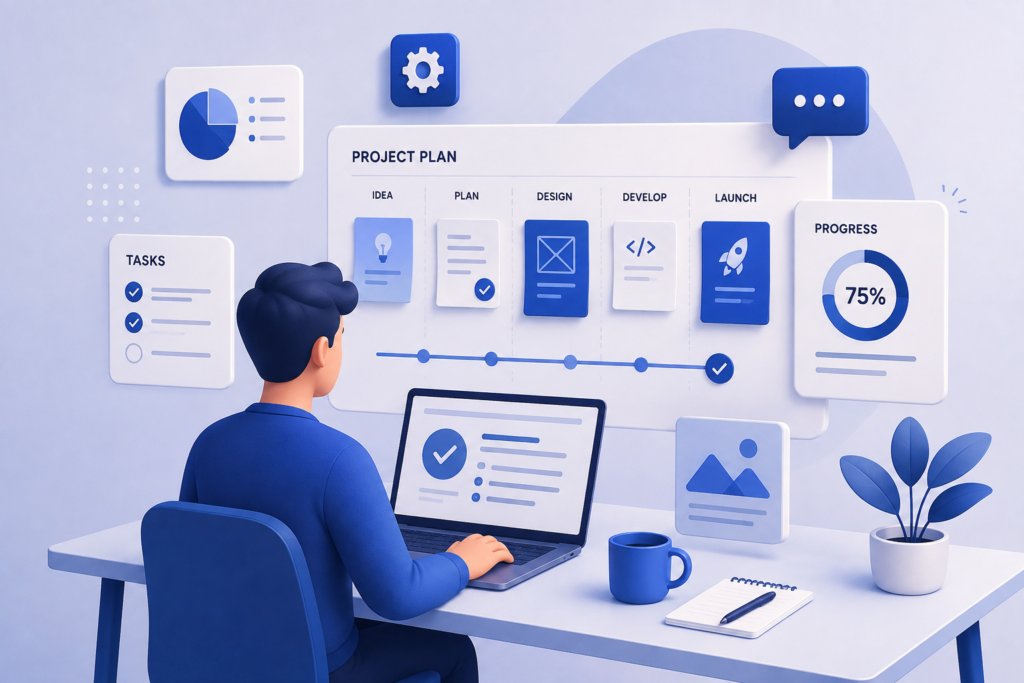
In digital marketing, getting noticed is only the first step. The real challenge is staying visible when customers are actively searching for products, services, or solutions. This is where content and SEO work together. At Affilytix Media , we believe that long-term digital growth is not built only through paid campaigns. A strong content strategy combined with SEO can help brands attract the right audience, build credibility, and create a steady source of organic visibility over time. Why Brand Visibility Matters Customers rarely discover a brand and make a purchase immediately. They may search for a solution, compare different options, read reviews, visit websites, and return later before making a decision. If your brand appears consistently throughout this journey, it becomes more familiar and trustworthy. SEO helps your website appear when people search for relevant topics, while content gives them a reason to engage with your brand. Together, they create a digital presence that can continue working long after a campaign has ended. Content Gives SEO Something Valuable to Rank SEO is not simply about adding keywords to a website. Search engines increasingly focus on whether content is useful, relevant, and capable of answering what users are actually looking for. This makes quality content an important part of an effective SEO strategy. Blogs, guides, industry insights, FAQs, case studies, and informative landing pages can target different search queries and reach customers at different stages of the buying journey. For example, a brand selling healthy snacks could create content around: Healthy snack ideas for busy professionalsWhat to look for in packaged snacksHealthy alternatives to traditional snacksBenefits of choosing better snack options Each piece of content can attract people searching for related information while introducing them to the brand. SEO Makes Good Content Easier to Discover Creating great content is important, but it is equally important to make sure people can find it. This is where SEO plays a major role. Keyword research helps identify what potential customers are searching for. On-page optimization ensures that content is structured properly. Internal linking helps users discover related pages, while technical SEO makes it easier for search engines to crawl and understand the website. When these elements work together, individual pieces of content can contribute to the overall visibility of a brand. Consistency Creates Long-Term Results One of the biggest advantages of content-led SEO is that results can compound over time. A paid advertisement generally stops generating traffic when the campaign ends. A well-optimized blog, however, can continue attracting visitors through organic search months or even years after publication. As more useful content is published, a brand can begin ranking for a wider range of relevant searches. Over time, this can lead to: Increased organic trafficGreater brand awarenessMore qualified website visitorsStronger search visibilityImproved brand credibilityMore opportunities for conversions The key is consistency. SEO is rarely an overnight strategy. It requires continuous research, optimization, and publishing. Content Builds Trust, Not Just Traffic Visibility alone does not guarantee conversions. People want to know whether a brand understands their problems and can provide the right solution. Helpful content allows businesses to demonstrate their expertise before asking customers to make a purchase. Educational blogs answer questions. Case studies demonstrate experience. Guides provide practical value. Industry insights show that the brand understands changing customer needs. This helps turn a website from a simple online presence into a resource that customers can trust. The Affilytix Media Approach At Affilytix Media, we look beyond simply generating traffic. Our approach focuses on connecting content, SEO, and broader digital marketing strategies with meaningful business outcomes. The goal is not to publish content just for the sake of publishing. Every piece should have a purpose—whether it is attracting a new audience, answering a customer question, strengthening topical authority, or supporting a conversion journey. Final Thoughts Building long-term brand visibility requires patience, consistency, and the right strategy. Content attracts attention. SEO helps people discover it. Together, they create an opportunity for brands to build lasting visibility and stronger relationships with their audience. In a digital landscape where competition continues to grow, brands that invest in valuable content and sustainable SEO today can build an advantage that lasts well beyond a single campaign.
Case Study: Growing a Healthy Snacks Brand with Social Media Marketing
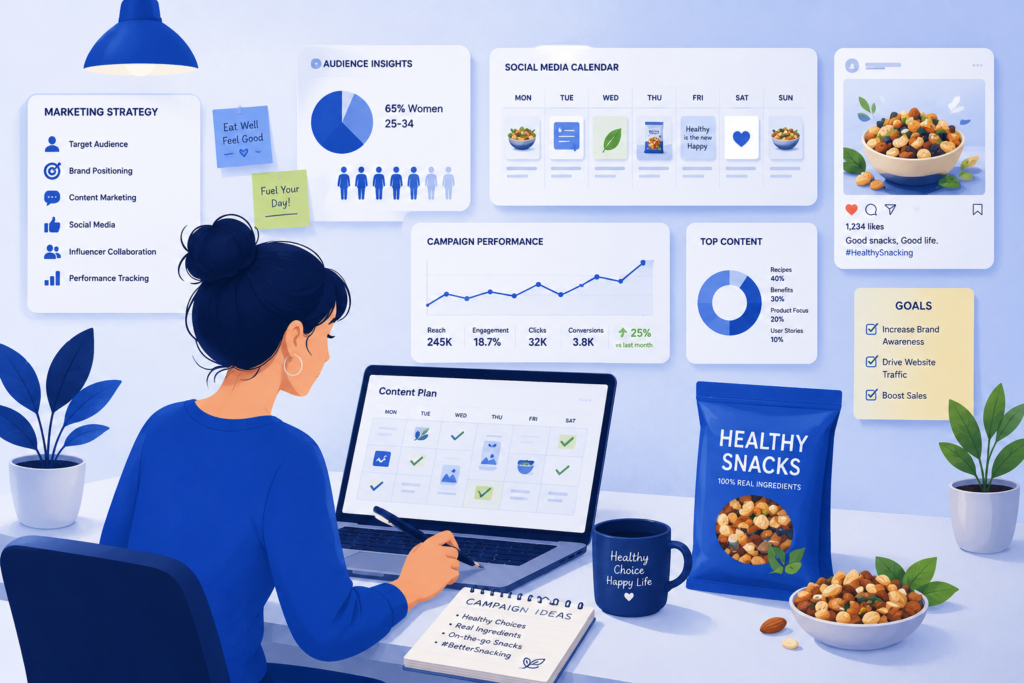
Social media has become one of the biggest influences on what people eat, buy, and recommend. For healthy snack brands, it’s no longer enough to have a great product—people need to discover it, trust it, and see it fitting into their lifestyle. At Affilytix Media, we believe the best social media strategies don’t just generate likes; they build communities that eventually become loyal customers. This case study walks through how we helped a growing healthy snacks brand strengthen its online presence through a consistent and engaging social media strategy. The Challenge The brand had a range of healthy snacks made with quality ingredients and a clear focus on health-conscious consumers. However, despite having a good product, it struggled to stand out online. Its social media pages lacked consistency, engagement was low, and most posts weren’t reaching the right audience. While a small group of existing customers loved the products, attracting new customers and building brand awareness remained a challenge. The goal wasn’t simply to increase followers—it was to create a social media presence that encouraged people to discover, trust, and eventually purchase the brand. Our Approach Instead of focusing only on promotional posts, we built a strategy around educating, inspiring, and engaging the audience. Understanding the Audience Before creating content, we wanted to understand who the brand was speaking to. We identified key customer groups, including: Understanding the audience helped us create content that felt relevant rather than generic. Creating Content People Actually Want to Watch Nobody opens Instagram hoping to see endless product advertisements. So instead of posting “Buy Now” graphics every day, we mixed educational, entertaining, and lifestyle content. Some of the content included: This approach helped the brand become part of everyday conversations instead of feeling like another advertisement. Making Short-Form Video the Priority Short-form videos became one of the biggest growth drivers. We focused on creating engaging Reels that showcased the products in real-life situations—at the gym, during work breaks, while travelling, or as quick evening snacks. These videos helped increase reach organically while making the products feel relatable. Building a Two-Way Conversation Social media works best when it’s social. Instead of simply publishing content, we actively encouraged conversations through polls, Q&A sessions, comments, and user-generated content. Customers began sharing their own experiences with the products, which naturally increased trust and encouraged more people to try the brand. Supporting Organic Growth with Paid Campaigns To amplify high-performing content, we launched targeted Meta campaigns aimed at health-conscious audiences. Rather than promoting every post, we focused our budget on content that was already performing well organically. This helped improve reach while keeping advertising costs under control. Tracking Performance Every month, we reviewed key performance metrics, including: These insights helped us understand what the audience enjoyed and where we could improve. The Outcome Over time, the brand developed a much stronger social media presence. Engagement became more consistent, the community continued to grow, and more people started discovering the products through Instagram and Facebook. Website traffic from social media also improved as audiences became more familiar with the brand. Most importantly, the brand shifted from simply posting products online to building a community around healthy living—a change that supported long-term growth. Key Takeaways For food and wellness brands, social media is more than a place to advertise. It’s an opportunity to educate, inspire, and build lasting relationships with customers. Brands that consistently provide value, tell authentic stories, and engage with their audience are far more likely to build trust than those that focus only on selling. Final Thoughts Growing a healthy snacks brand isn’t about chasing viral content or adding thousands of followers overnight. It’s about creating meaningful connections with the right audience and showing them how your product fits into their everyday lives. At Affilytix Media, we help brands create digital marketing strategies that combine creativity with performance. From social media management and content creation to paid advertising and performance marketing, our goal is to help businesses grow in a way that’s sustainable and measurable.
Why Your Ads Are Getting Clicks but Not Conversions

Getting people to click on your ads is only the first step. The real challenge is turning those clicks into leads, purchases, or other valuable actions. If your campaigns are generating traffic but conversions remain low, the problem may not be your advertising platform—it could be what happens after the click. At Affilytix Media, we believe successful performance marketing is about more than driving traffic. It is about creating a journey that moves users from interest to action. 1. Your Ad and Landing Page Don’t Match One of the most common reasons for low conversions is a disconnect between the ad and the landing page. If an ad promises a specific product, offer, or solution, visitors should immediately find the same message when they land on your website. When the landing page feels unrelated to the ad, users may lose confidence and leave. The solution: Keep your messaging, offer, visuals, and expectations consistent from the advertisement to the landing page. 2. Your Landing Page Is Too Complicated A visitor should not have to work hard to understand what you are offering. Too much text, distracting visuals, multiple offers, or complicated navigation can make it difficult for users to decide what to do next. A strong landing page should answer three basic questions quickly: Keep the design focused and make your primary call-to-action easy to find. 3. You’re Targeting the Wrong Audience High click-through rates can sometimes be misleading. If the people clicking your ads are not genuinely interested in your product, those clicks are unlikely to turn into customers. Your targeting should consider factors such as demographics, interests, purchase intent, location, previous interactions, and customer behaviour. Instead of asking, *”How many people clicked?”, ask, *”Are the right people clicking?”** 4. Your Offer Isn’t Strong Enough Even the best ad cannot compensate for an unconvincing offer. Customers need a clear reason to take action. This could be competitive pricing, a limited-time offer, free shipping, a useful free resource, a strong guarantee, or simply a product that solves a relevant problem. Your value proposition should be clear enough that visitors understand why choosing your brand makes sense. 5. Your Website Is Slow or Difficult to Use A poor user experience can quietly destroy conversions. Slow loading times, confusing navigation, mobile responsiveness issues, broken links, or a complicated checkout process can cause potential customers to abandon their journey. Since a significant portion of digital traffic comes from mobile devices, your website should provide a smooth experience across screen sizes and devices. 6. You Aren’t Testing Enough Marketing performance rarely improves through guesswork. Test different headlines, creatives, audiences, landing pages, offers, calls-to-action, and ad formats. Small changes can have a meaningful impact on conversion rates. However, don’t test everything at once. Focus on one variable at a time so you can understand what is actually influencing performance. 7. You’re Optimizing for Clicks Instead of Business Results Clicks are useful, but they are not the final goal. A campaign can have an impressive CTR and still generate poor revenue. Businesses should look beyond clicks and monitor metrics such as conversion rate, cost per acquisition, customer acquisition cost, revenue, and return on ad spend. The goal isn’t simply to attract more visitors. It’s to attract the right visitors and give them a reason to convert. Turning Clicks Into Conversions If your ads are getting attention but not producing results, don’t immediately increase your advertising budget. First, examine the entire customer journey—from targeting and ad messaging to landing page experience and checkout. At Affilytix Media, we focus on connecting strategy, performance, creative, and data to build marketing campaigns that contribute to measurable business growth. Because traffic is only valuable when it moves your business forward.